Movie: The Discarded Ones
Director: Johan Andren
“December stillness, crossed by twilight roads,
Teach me to travel far and bear my loads.”
Siegfried Sassoon
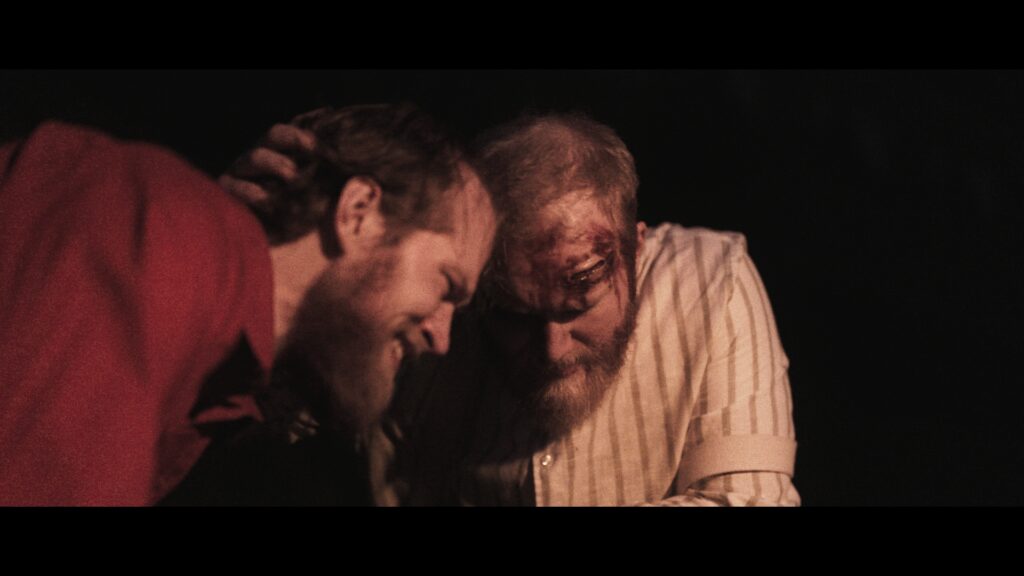
There is a quiet severity to The Discarded Ones, directed by Johan Andren, that resists immediate articulation. It is not merely a war film that strips away spectacle, but one that seems fundamentally distrustful of representation itself, as though any attempt to dramatize violence risks falsifying it. What Andren constructs instead is something closer to a moral topography, a space in which human beings are revealed not through action alone, but through what remains once action has exhausted itself.
The film opens within the recognizable grammar of the War narrative, yet even in these early passages there is a sense of displacement. The Union company does not move with purpose so much as inertia, as if already caught in the gravitational pull of an outcome they cannot yet see. Dwight McCree emerges within this framework not as a character to be understood, but as a condition to be observed. His moniker, “The Butcher,” is less a nickname than a condensation of identity. It suggests a man who has not simply participated in violence, but who has allowed violence to become the organizing principle of his existence. His hatred is not expressive. It is reductive. It narrows the world into a single, obliterating axis.
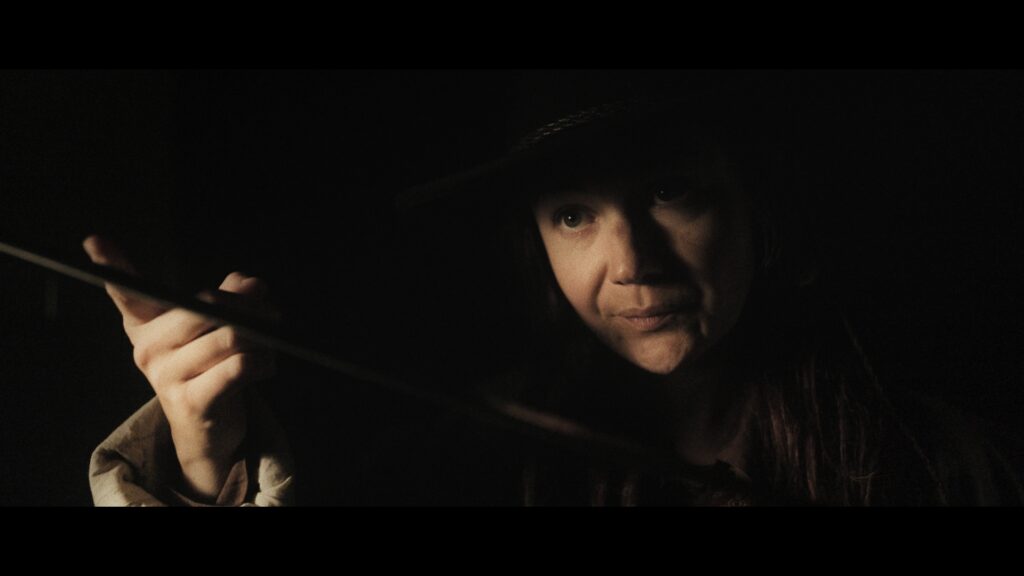
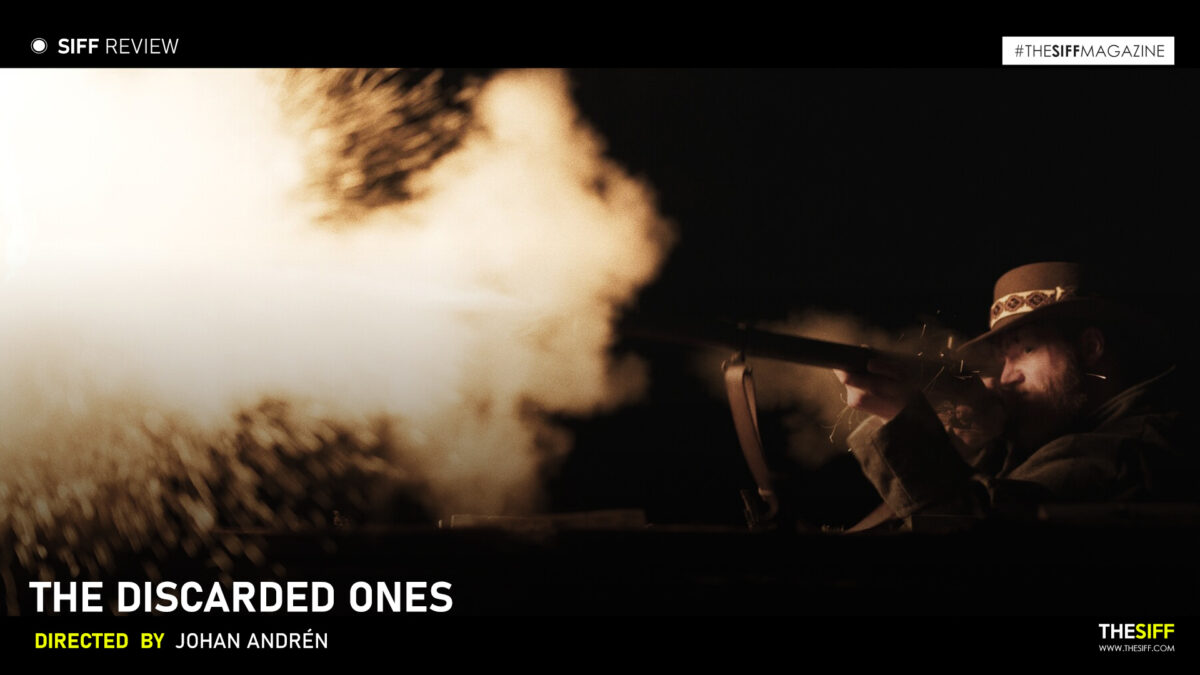
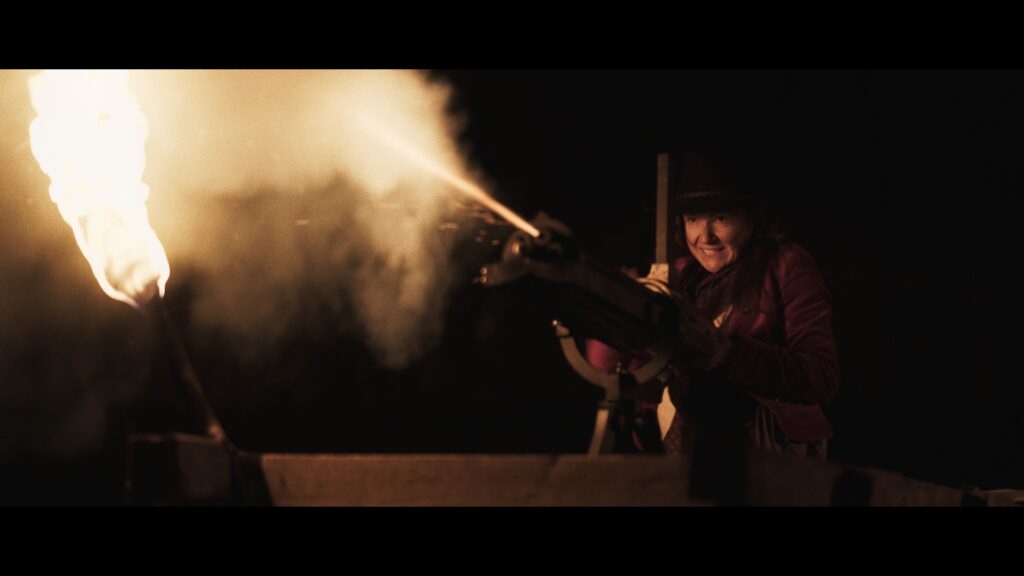
When the ambush arrives, Andren refuses escalation. The battle does not build toward a moment of clarity or resolution. Instead, it disperses. Time becomes indistinct, space collapses into confusion, and the night stretches into something almost abstract. This refusal to aestheticize combat is crucial. By denying the viewer a coherent vantage point, the film undermines the very notion of war as an event that can be meaningfully witnessed. What we are left with is not the experience of battle, but the erosion it produces.
Dawn does not bring revelation. It brings exposure. The survivors who emerge are not marked by endurance, but by a kind of ontological thinning. They persist, but in a diminished register, as though something essential has been left behind in the dark. It is here that the film’s title begins to resonate with unsettling clarity. The discarded are not simply casualties or those deemed expendable by military logic. They are those who have slipped beyond the reach of moral legibility. To survive, in this context, is not to be spared, but to be estranged from the very frameworks that once conferred meaning.
Dwight’s continued presence becomes increasingly difficult to situate within conventional ethical terms. The film neither seeks to redeem him nor to render him monstrous in any simplistic sense. Instead, it allows him to remain opaque, even to himself. His violence is not contextualized as necessity, nor elevated to tragedy. It is presented as a fact, and in that presentation lies the film’s most disquieting gesture. By withholding judgment, Andren implicates the viewer in the act of interpretation, forcing a confrontation with the limits of one’s own moral vocabulary.
The introduction of his counterpart deepens this inquiry without resolving it. This figure, who might in another film serve as antagonist or corrective, is instead afforded a comparable interior weight. The relationship that emerges is not oppositional in any traditional sense, but reflective. Each man becomes a surface upon which the other’s contradictions are refracted. Empathy is not directed. It is destabilized. One is compelled to recognize that the distance between them is contingent, perhaps even illusory.
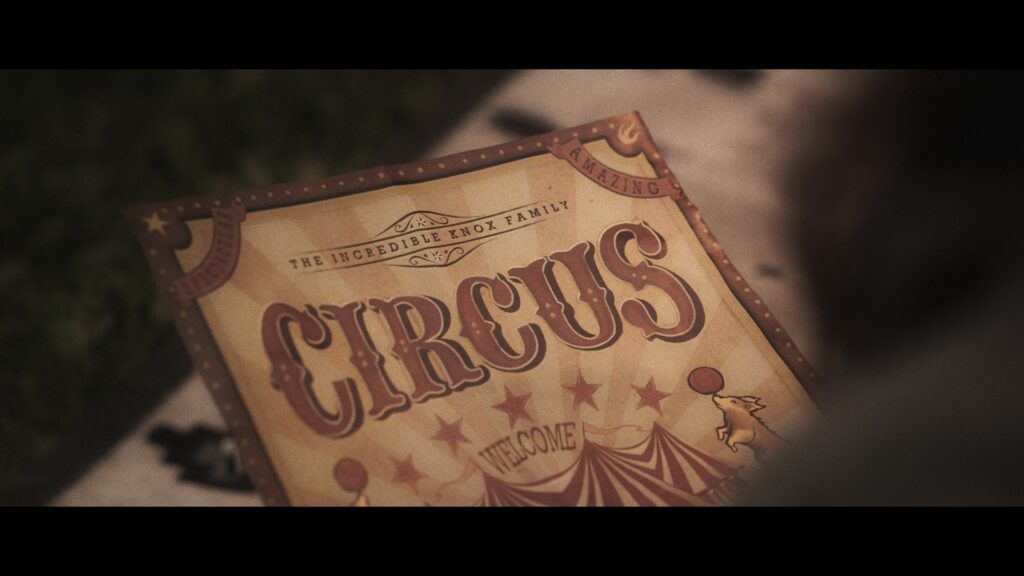
What quietly underpins the film is a cosmopolitan intuition, though it is never articulated as such. Beneath the uniforms and allegiances, there is an insistence on a shared vulnerability that war both exploits and obscures. The enemy is not othered so much as estranged. Violence, in this light, appears less as a clash of ideologies and more as a failure of recognition, a refusal or inability to apprehend the other as fundamentally continuous with oneself.
Formally, the film’s adherence to a classical three act structure might seem at odds with its thematic indeterminacy, yet this tension proves generative. The structure provides a skeletal coherence, a temporal discipline that holds the narrative together even as its meanings begin to dissolve. It is within this tension that the film locates its rhythm, moving forward while simultaneously resisting closure.

The influence of the western is palpable, though it manifests less in iconography than in sensibility. The landscapes are not backdrops but presences, vast and indifferent, echoing the internal desolation of the characters who traverse them. The confrontations that occur within these spaces are stripped of performative heroism. They are encounters in which the possibility of justice feels increasingly remote, replaced by a more ambiguous reckoning.
Dialogue is pared down to the point of near absence, and in that absence the film discovers its most eloquent register. Silence is not merely a stylistic choice but a philosophical one. It acknowledges the inadequacy of language in the face of certain experiences, suggesting that what has transpired exceeds articulation. Meaning, such as it is, emerges obliquely, through gesture, duration, and the charged stillness between words.
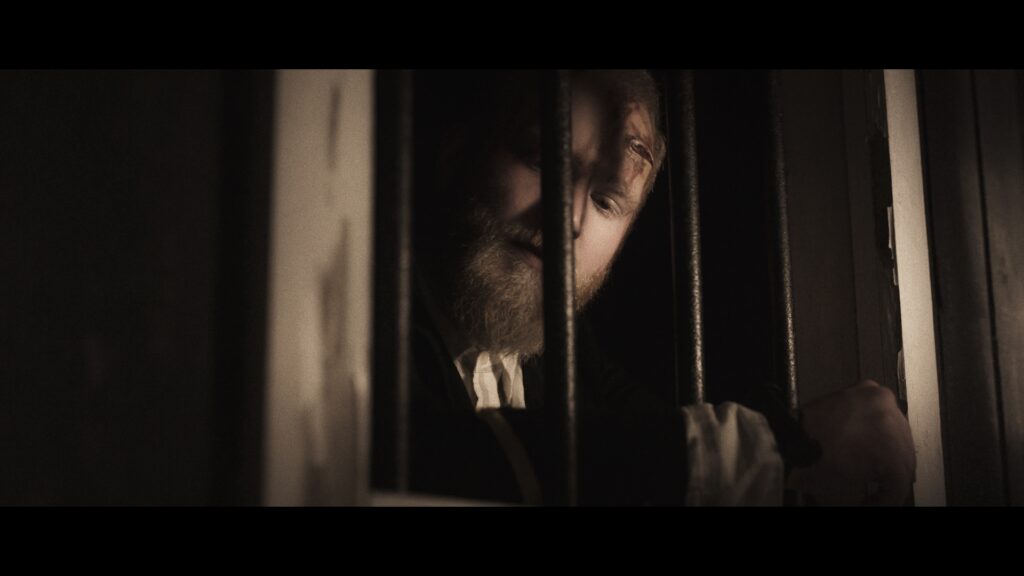
In the end, The Discarded Ones does not offer resolution because it does not believe resolution is available. It leaves its characters suspended in a state that resists both condemnation and absolution, a kind of moral afterlife in which the categories that once structured their world no longer hold. For the viewer, this suspension becomes the film’s final gesture. It is not an invitation to understand, but a demand to remain with what cannot be easily understood.