Movie: Super Turbo Jet Boats
Director: Daniel Stuelpnagel

Thank you so much for doing this with us!
THANK YOU! I truly appreciate so much with infinite gratitude the recognition from SIFF 2025 and I have just submitted to you
Super Turbo Jet Boats – We Love Danger (Episode 2) for 2026, I now have two more episodes in Post-Production to be assembledfor feature film and I am writing a sequel for 2027!
1. Your earliest cinematic memory—what was the first time you remember being utterly mesmerized by a film?
The ones that are my earliest favorites are Coneheads and Galaxy Quest, so firmly you can imagine in my mind there is the clear desire and imperative for FUN and COMEDY and apparently science fiction. I get bored easily and I see cinematic entertainment as a crucial remedy, so these fast-paced epic meta-concepts with kinetic movement through many dozens of scenes, they have inspired my story style and I found a way to replicate some of that cinematic acceleration through the miniatures micro-budget production design of Super Turbo Jet Boats.
2.The central premise involves a failed thesis project pivoting into an impulsive spring break odyssey—when did this idea first germinate for you? Was it born from observation, experience (maybe), or pure imagination?
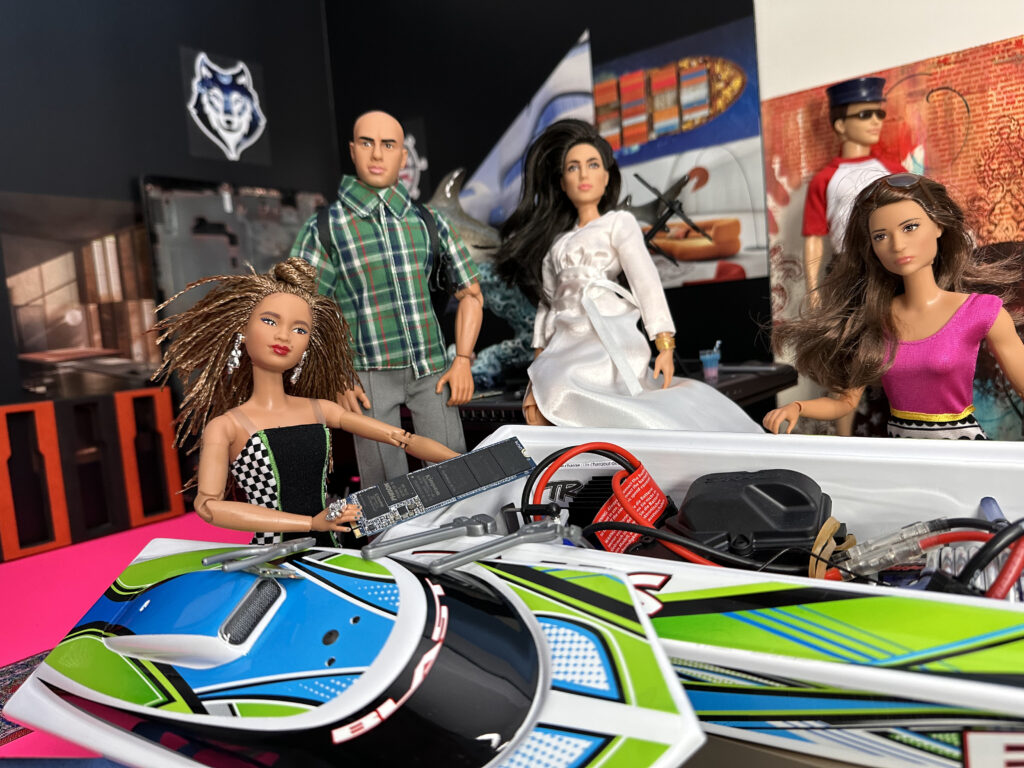
Writing this screenplay, from early 2021 it was during quarantine, I spent many months forest hiking around a lake, the aspirational wish to embrace film school was a fantasy, living and working alone I did connect online with Stage32.com and pursued independent study of the many excellent materials and resources available there. Also the team of five students is my own schizo-affective projection that through this project gave me a creative pathway. As an artist for more than fifteen years I have worked with many art-school students and faculty, in USA coast to coast, so the vibe is from observation; and experience, I’ve collaborated on many group projects, been shooting fragmentary video throughout my art career, and I love watersports; certainly pure fiction and imagination, yes, because the absurdity, comedy, character web, it is all an extension of the craft I’ve learned through writing
six previous feature scripts, this was the first one where I could really envision an almost zero-budget production design and love the story enough to work through several years of solo craft in mounting the film.
3.The film seems to blend genres—coming-of-age, heist, road-trip, and even quasi-mythic adventure. Can you walk us through your writing process for this script? How did you find balance between satire and sincerity?
I really appreciate that insight. It is exactly correct, and through walking meditation, many miles out in the forest, along lakes and streams, I imagined the team of five aspiring film students, the familiar banter among artists I enjoy for so many years became like a mental conversation I could listen in on. I would imagine the roles of how these different artists have various strengths in their main studies, there’s a director, actress, tech person, production specialist, creative type, they each developed in my fictional portrayal on the page unique aspirations and anxieties so it made sense to put them in this situation of having a long-neglected then urgent d stake if they failed the mission to get through the faculty approval. The balance between satire and sincerity is definitely a real-life feeling, I believe that artists often owe it to ourselves and to society to be irreverent and confrontational, in this case
through comedy, and yet we are real caring individuals with grounded respect for humanity and for our surrounding world, so that snarky yet authentic tone probably says something pretty clear about who I am in real life.
4.There’s an ensemble of five characters—each a slacker, a dreamer, a renegade in their own right. What inspired this eclectic array of personalities? Do any of them have an origin story rooted in real people or archetypes you wanted to subvert?
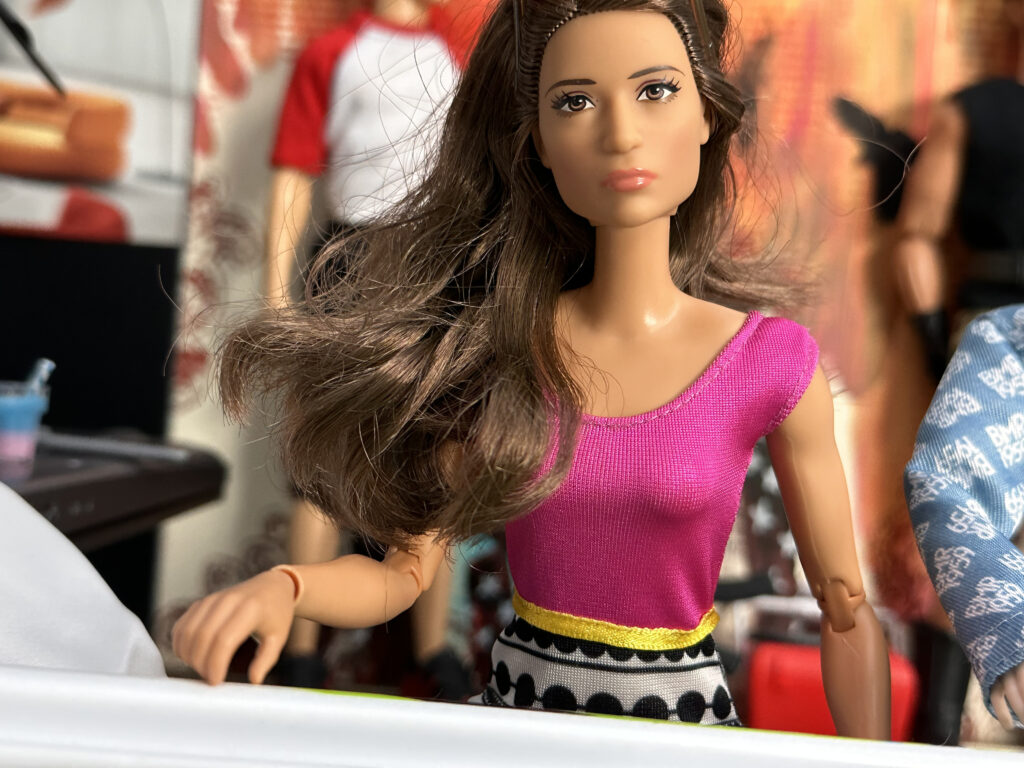
I have reinvented myself from technology career to painter to graphic designer to screenwriter to filmmaker, so along the way it has been a fast-paced immersion with diverse colleagues and I have relocated a dozen times in twenty years including some international travel, and that aspect gave me room to fulfill a genuine expansion of imagined creative life during the quarantine isolation of 2020 and 2021. They are different facets of my own psychology and experience, fictionalized and dramatized. I managed in the writing to unify the characters, as Ozualdo there is a part of me that is definitely a “head-in-the-clouds” dreamer, this meta-project has become a very personal expression, as Andi it is the technology and technical aspects of production and execution that are my intellectual focus, I am Sandra with her intelligence, star power, gregarious nature and love of the spotlight, and Megan as insistent and cajoling and trying to get others to believe in my vision, as Barry you could see I am an athlete and producer who strategizes behind the scenes. If there is subversion of an archetype to which I am devoted, yes, it’s as a slacker, dreamer and renegade, to be honest, because in USA a lot of people love art but hate artists unless they are massively financially successful, to be an aspiring artist is to be labeled as a slacker, an impractical, clumsy, ineffectual dreamer. And to be a renegade is both a requirement for artists and also cause for scorn from mainstream people. But to work through all of this and now to have gained in its first season more than 75 Selections from 25 Nations for the film and more than 22 Awards, I can see how universal the story is received, these are contemporary and timeless themes and characteristics of personality that with so much appreciation and gratitude I in turn have absorbed from the hundreds of amazing artists with whom I have interacted, across many different disciplines and cultures.
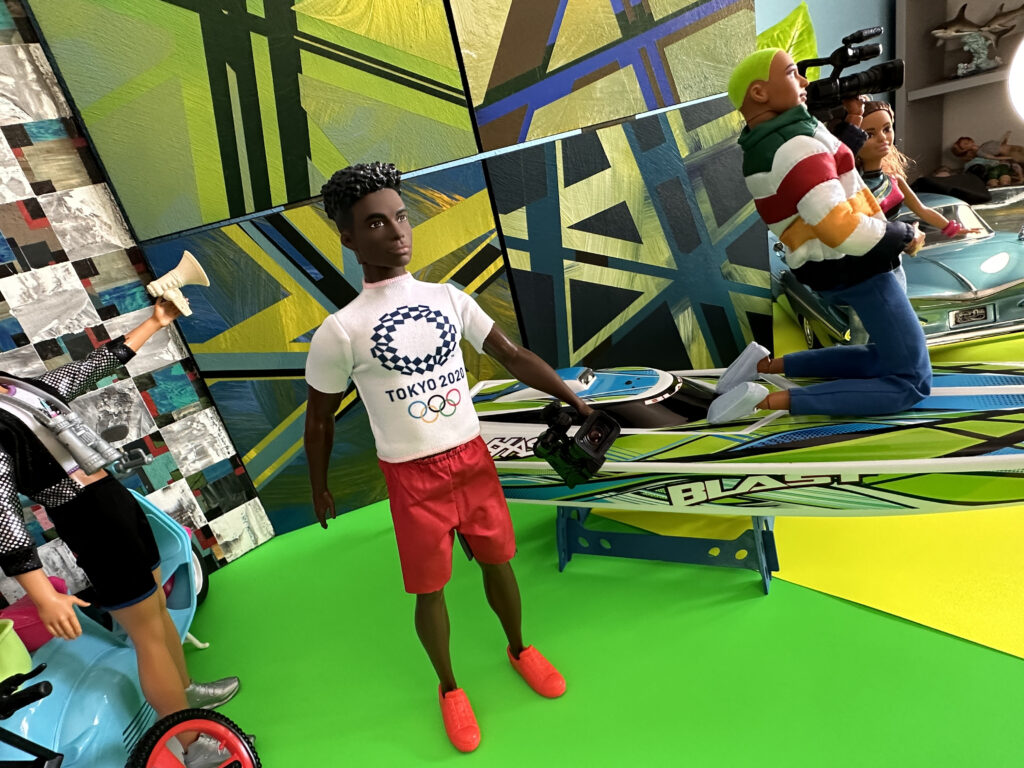
5.Despite their absurd circumstances, the characters feel startlingly human. What do you believe gives them that humanity? Was there a conscious effort to undermine stereotype with emotional honesty?
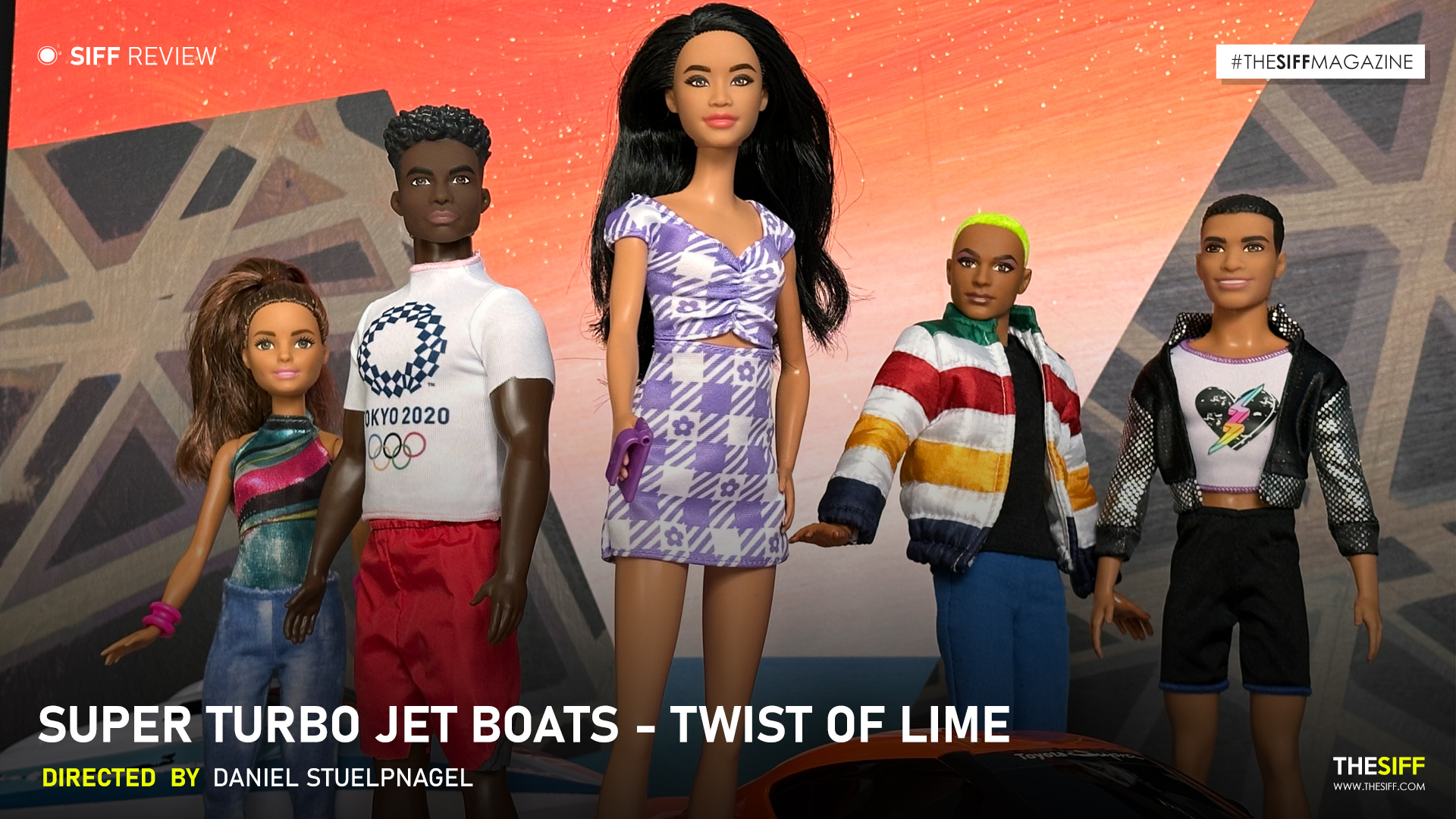
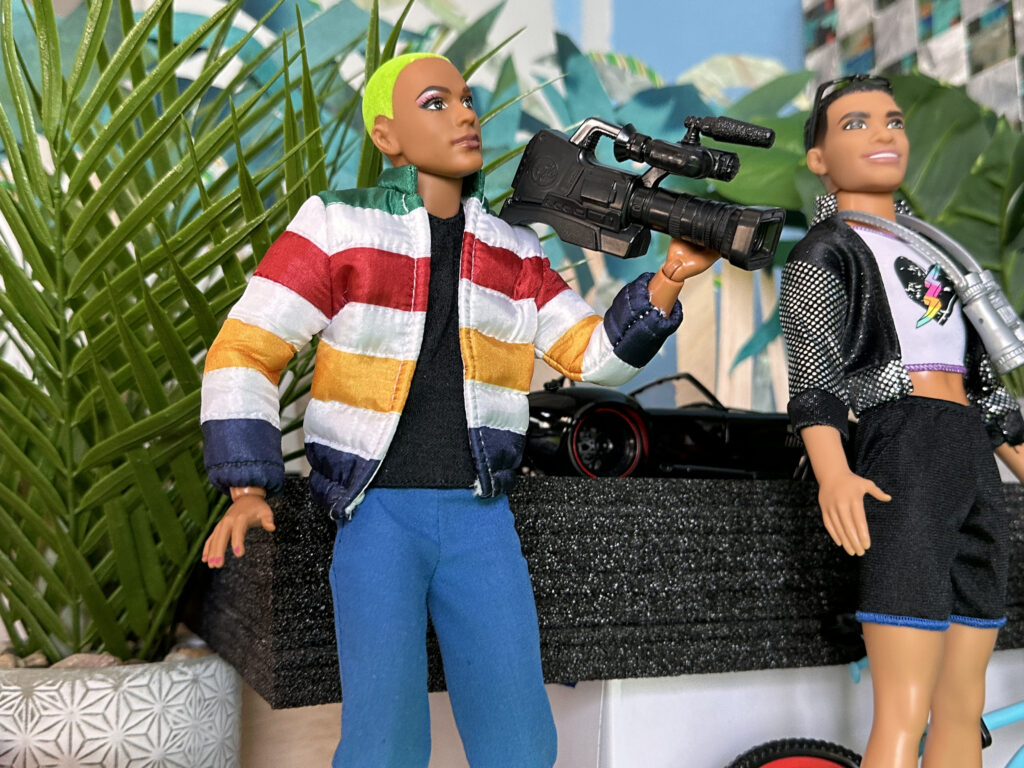
It all emerges from the source of the screenplay. I wrote it from the heart during a time of extreme containment where everyone on the planet suffered the same twist of circumstances, yet went through individually unique experiences. And in turn since I am blessed to bring “auteur” capability to this project, that is really a huge part of the result, since my clarity of vision goes all the way from page to stage to screen, albeit through this strategically minimized kind of primitive mode of setting up “tableau and vignette” groups of action figures miniatures in hand-built sets. But the humanity I have captured there is from the source of my emotional humanity in literary expression through writing the script, it is so strongly aspirational; getting that on screen came frommy intentional and intuitive gesture of shooting the cinematography as if the action figures were real people, which is both technical and imaginative, with my artist’s eye striving to perfect small angles and lighting and bringing laser focus to a contained depth of field of just a few inches and using every bit of playfulness and creativity to be immersed in this process.
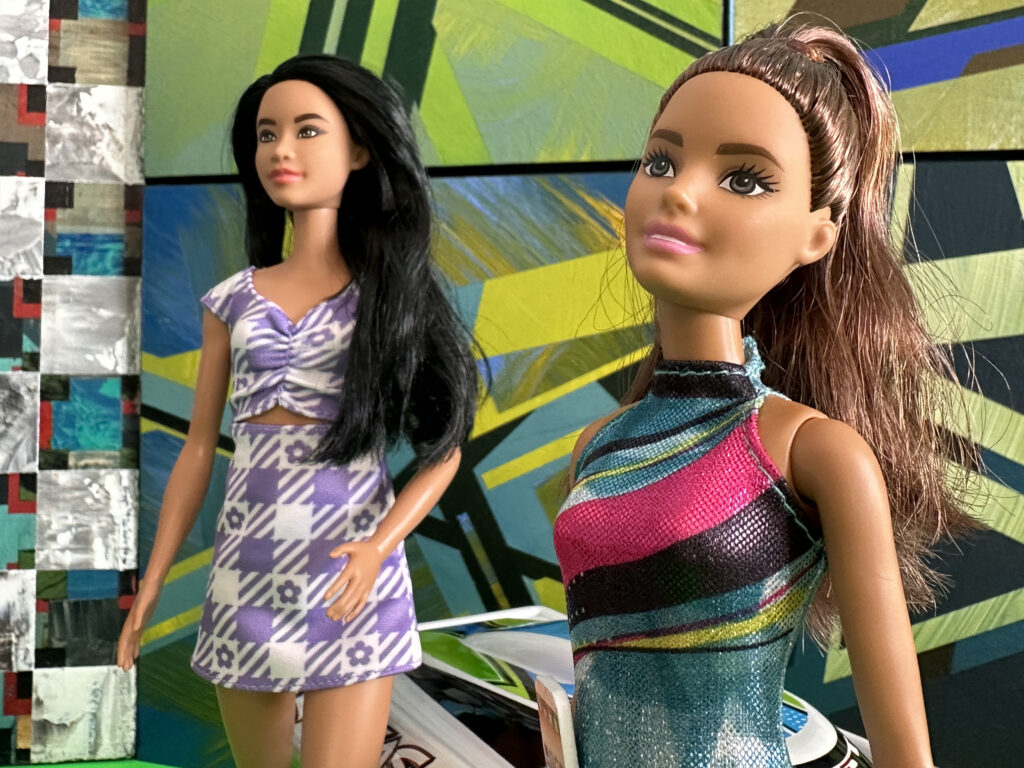
6.The jet boats are thrilling and absurd, but they’re also symbolic. What do the boats represent to you—freedom, failure, transcendence? Or something more elusive?
Yes, transcendence for sure! The powerboats are literally the world upon which the team of student filmmakers risk their one chance for success. And the same world the villains cohort of evil claims as their stepping-stone to fame and power. Through these many different art forms I’ve tackled, transcendence is a universal theme and aspiration and challenge, it’s to transcend the medium of the craft in whatever form and get to a place where it yields something much more, the amount of work and patience any artist will attest is simply massive because there is no finish line, it is an eternal process. So the parallel of the astonishing evolution of high-tech global powerboat racing, sophisticated materials science, breakthrough speed records, mind-blowing hundreds of millions of dollars in escalating investments, it was a natural convergence for this designing principle to be in Los Angeles at Ventura Harbor, just enough of a connection to reality, to feel that the story has a foundation of plausibility from which to emerge. And of course plenty of resonance with the dark side of exaggerated hyper-capitalism, egregious environmental pollution, the swagger and status of wealthy influencers claim to fame, there’s plenty of evidence that the theme is more than just a beautiful trophy.
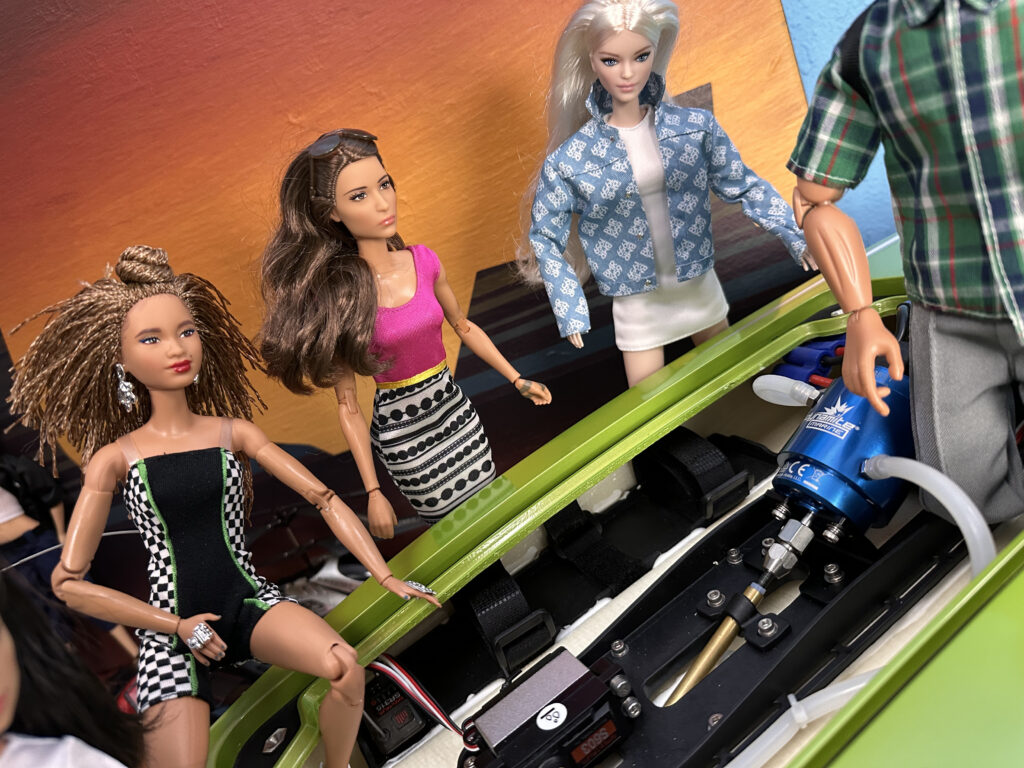
7.There’s a dream sequence in the film— Can you describe it and tell us how it functions within the larger emotional arc of the film?
Yes, Barry’s dream sequence is a montage of AI images generated by collaborator Pebble Tay (based on my production photos) that I commissioned for the film, and it is amazing to see just how retro and primitive the MidJourney toolkit style looks just a
short year or two later. Very funny and comical caricature and the “dream sequence” concept gave me a way to insert that additional “film-within-the-film” that provides a couple of different avenues: kitschy and colorful, it’s also an amazing insight into Barry’s internal world, we get a chance to see what his “dream project” looks like, it evokes a whole different story, clearly Afro centric characters, locations and imagery, still plenty of powerboat-racing vibes, melodrama of mystical worlds and then a coda in which he gains recognition for his work; emotionally this late story turn is an icing-on-the-cake feeling, it breaks up the grounded final team planning scene in Barry’s garage with a fanciful interlude; perhaps it gives us a sense, apart from the shared dream of all the students, that implies they each hold their own individual aspirations private and separate, but they’ve invested themselves fully in the collective dream; from a technical perspective it is a short lurching contrast in audio and video style that risks staking out new territory to extend the event horizon of production values for the film, and because the ensemble characters themselves are film students, it’s a meta-layer that implies they are making this film themselves, taking risks and even that in this moment they have taken at least the first necessary steps to investigate what is possible with AI, and I think that’s a timely, elegant, funny and powerful spark to add to this project in such a subversive yet integrated manner.
8.The film ends on a note of both release and ambiguity. Without spoiling too much—can you describe what happens after the final scene? Or rather, what you hope the audience imagines happens next?
Yes, this is Act I of the feature script, and Episode 2 has just emerged from Post-Production, I am still in Post on episodes 3 and 4 for 2026, continuing with this modular project for which I completed Production in late 2025. The team of students as promised by the phone call between Jackie and Sandra travel to Costa Rica to re-shoot their thesis project in a more exotic location, they take their expensive rented camera equipment out in the ocean, wrestle alligators in search of accommodations, for the upcoming launch of “Super Turbo Jet Boats – We Love Danger” the full expansion of the next story chapter within my range of production design is delivered to show the villains’ evil scheme and what the Team of 5 will do to win the day in adventure-comedy style.
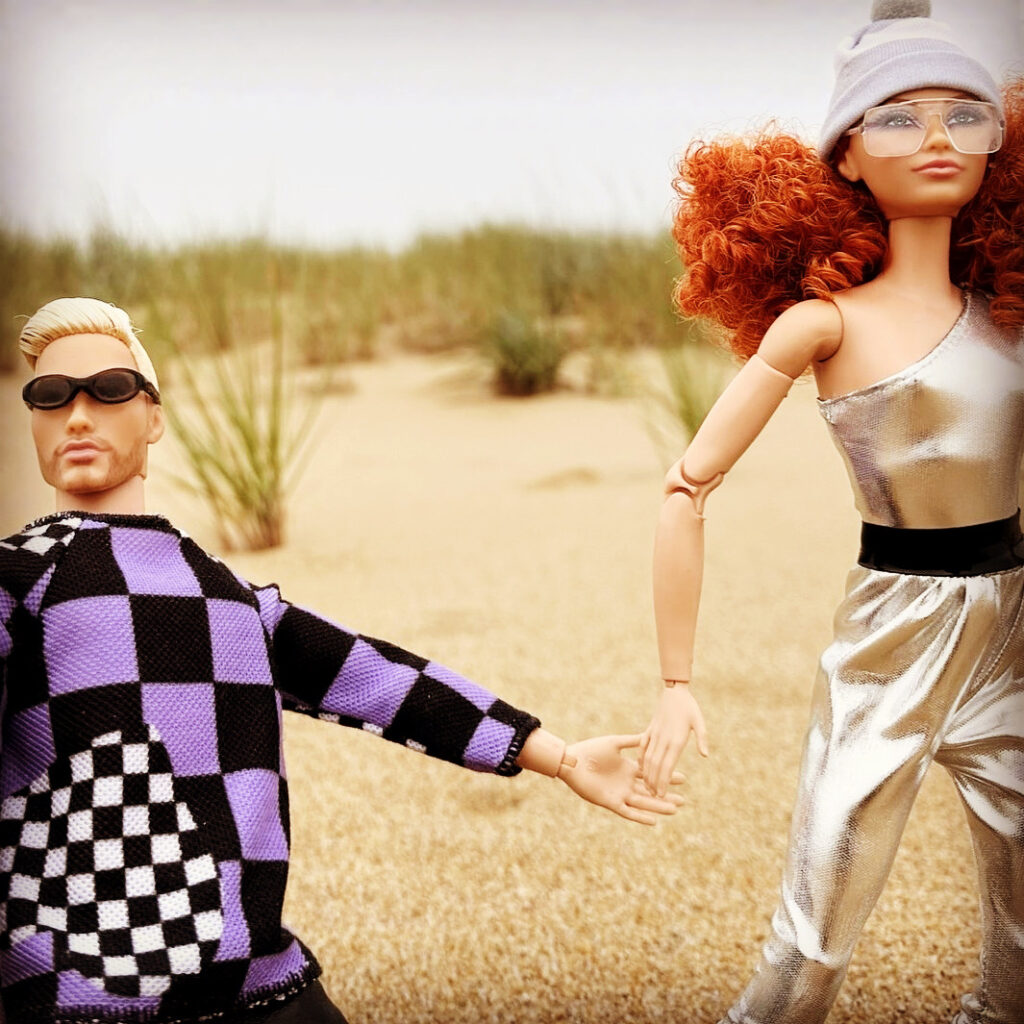
Recommend five underrated movies for us. Rather, storytellers you find innovative. Director Greta Gerwig’s “Barbie” (2023) is innovative not just in production design but structurally as a story and journalistically as social commentary, and I think it’s underrated because it felt like a film that the USA entertainment industry could have pivoted and learned from, instead it seems like it’s been forgotten and swept under the rug. I do realize that large productions take years to make, and that’s one reason I enjoy my particular brand of “Fast-Casual Filmmaking” so much because I can be immersed in every stage of production and streamline and leapfrog many aspects of the traditional process while still using a lot of textbook filmmaking techniques. Gerwig’s notable triumph inspired me and sparked a prominent conversation that continues and I feel like it deserves a sequel. Director Neill Blomkamp’s “Gran Turismo” (2023) was crisp and emotionally resonant, well-acted, innovative in the integration of technology as a bridge between the experiences of audience and characters, underrated but struck the perfect balance between story and production design, compared with Joseph Kosinski’s “F1” (2025) which was pretty good for a documentary but shows what happens when story is ignored in favor of spectacle and big-budget high-tech gadgets being top priority. Director Tarsem Singh’s “Immortals” (2011) is so underrated with a 50% score on
Rotten Tomatoes; powerful heartfelt performances by Henry Cavill, Freida Pinto, Luke Evans and other wonderful cast, terrifying “how-bad-is-the-bad-guy?” Mickey Rourke. Innovative in the numerous risks with a radical tapestry of production design transgressions, all around superb film I will enjoy again a dozen times. Director Peter Berg’s “The Rundown” (2003) with Dwayne Johnson might not be underrated, but I think it’s easily dismissed as Hollywood nonsense, however with the “how-bad-is-the-bad-guy” performance by Christopher Walken (and with him actually being killed at the end), innovation to me equals risk and that means “how bad is the ‘bad guy’?” By letting Walken make him more evil than expected, they took chances on tone and genre, muddying the waters throughout, leaving comedy behind in favor of pure adventure, but since you can always tell The Rock is having so much fun on-screen, it still rides the razor’s edge to baffle the viewer and despite a few story pitfalls ends up feeling quite satisfying. Director Michael Bay’s “The Island” (2005) landed at a magic moment of timeless dystopia that had not yet arrived. For $125 million, what’s innovative is the delivery of a complete Hollywood-scale film story that is coherent in tone yet sufficiently sprawling in geographic locations to qualify as a “contemporary Western.” Underrated because at a glance it looks like action-adventure fluff but the performances and story are sharp, riveting and poignant, expanding from a contained Act I to a broad scenario with global implications.
9.Finally, what would you say this film taught you—not just as a director, but as a human being navigating creative ambition, absurdity, and camaraderie?
I’ve learned that post-production video editing is simply another draft of the screenplay, and for storytellers that is where the real risk starts to show itself. Because who wants to rewrite what we thought was all ready for festival screening? The process has taught me perseverance more relentless than what I had already. Thankfully it has been expanding to help me grow in creative ambition, and my micro-budget assets being timely in design as modular, scalable, granular elements inspired by database evolution and computer applications development, all these small puzzle pieces being within reach the process while arduous in some ways has enabled me to avoid many challenges of indie production, notably budget crunch, forcibly contained stories and location-shooting logistics. And this wide-open comedy story tone and auteur level of creative supremacy has given me plenty of
room to hurl more absurdity into the scenarios at every turn. With regard to camaraderie, I can say that in addition to mywonderful production assistants who each brought a specific scene or sequence from sketchbook to screen, I have learned already so much on Film Freeway being a part of the global community of festivals, filmmakers and audiences, reaching out with immense gratitude to a widely global array of events and screenings, and I am so honored to find the cinema art form and pathways open to my particular love of experimental and passionate adventure-comedy, presented in miniature yet finding its way to the big screen.