Movie : Dance : Generations
Director: Dawn Gifford Engle
“They’re sharing a drink called loneliness, but at least its better than drinking alone.”
Billy Joel
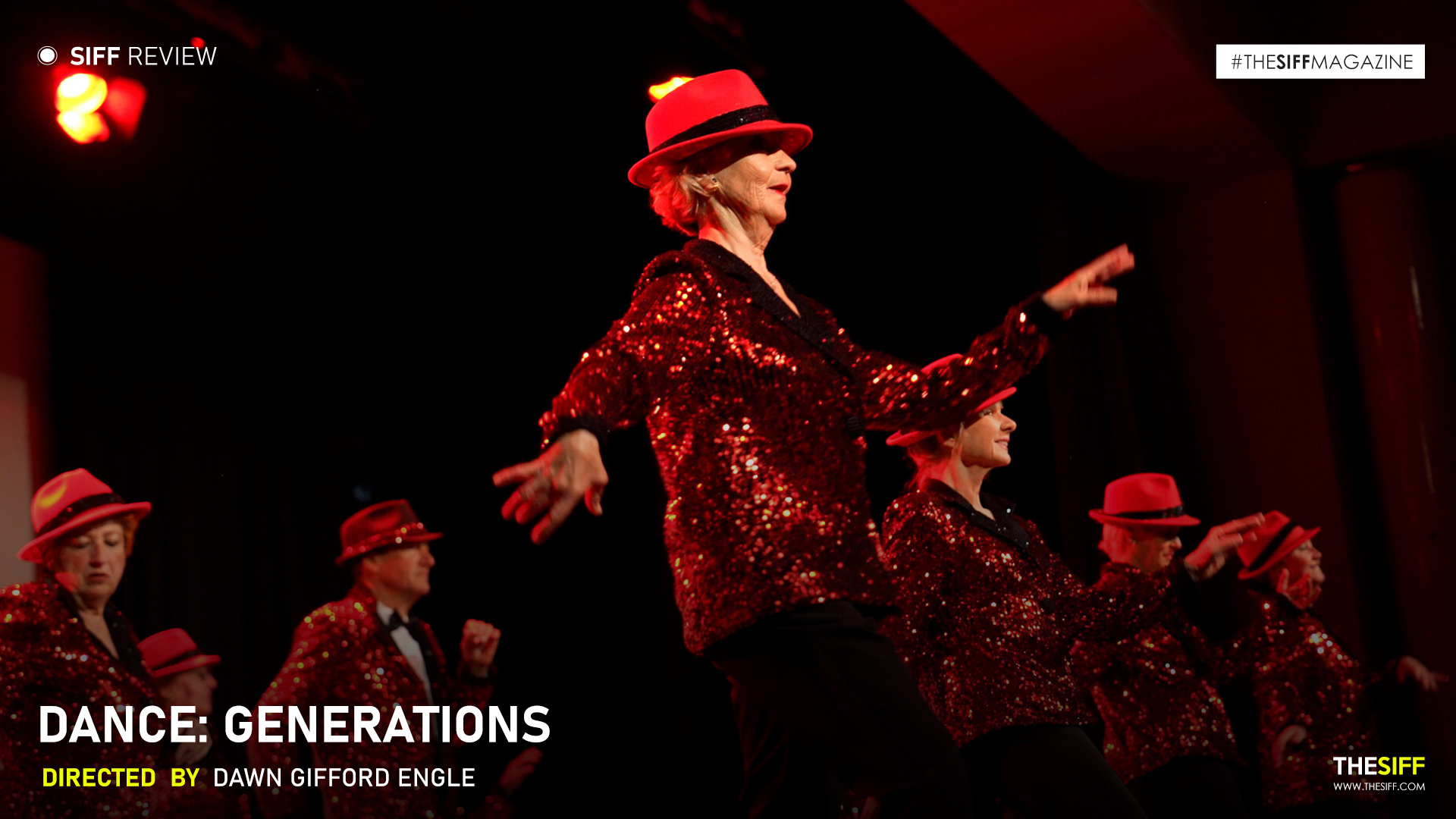
There are documentaries that simply project lives, and there are those that reveal the unseen truths of the human condition. Dance Generations, directed by Dawn Gifford Engle, belongs firmly to the latter. Beneath its modest premise of a group of senior citizens travelling from Catalonia to France to perform for the ninety three year old mother of their dance teacher unfolds a profoundly moving meditation on memory, ageing, resilience, and the enduring power of human connection. The film transforms an ordinary journey into an exploration of how art allows individuals to reconcile themselves with the passage of time.
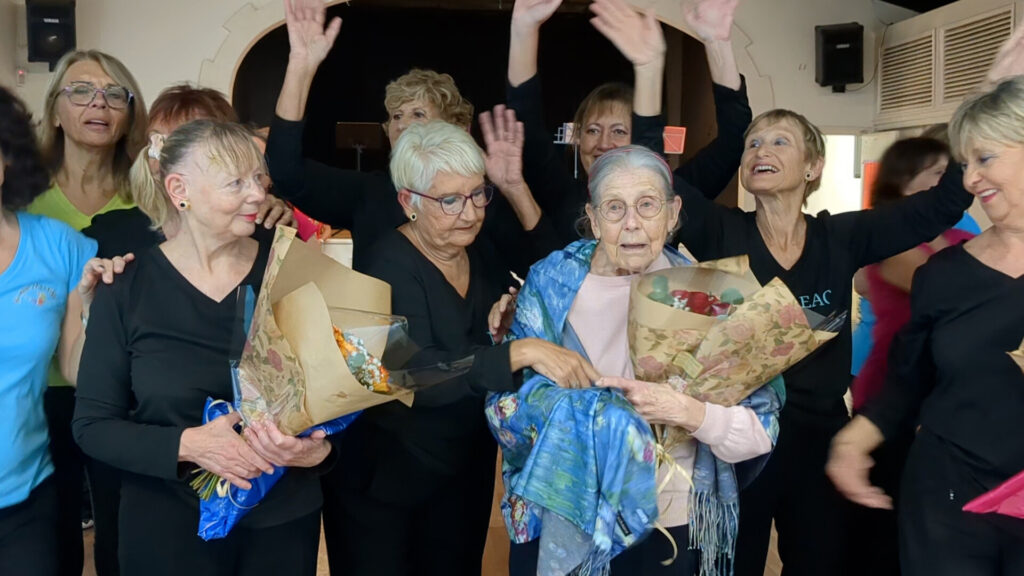
At the heart of the documentary lies a subtle reflection on humanity’s relationship with the past. Memories are not portrayed as distant recollections but as living companions that continue to shape identity. The elderly dancers carry within themselves decades of love, loss, triumph, disappointment, and endurance. Their lives demonstrate that the past never entirely releases its hold upon us, just as we often struggle to release our hold upon it. Yet the film argues that remembrance need not become a burden. Through dance, memory is transformed into an act of renewal rather than imprisonment.
The rehearsals gradually assume the character of an emotional pilgrimage. Dance becomes far more than performance or entertainment. It emerges as a form of catharsis through which deeply buried emotions find graceful expression. Every gesture carries the weight of lived experience, allowing the dancers to communicate feelings that words could never adequately convey. The choreography becomes an eloquent language of remembrance where grief is acknowledged without despair and joy is celebrated without denying suffering. The body itself becomes an archive through which life continues to speak.
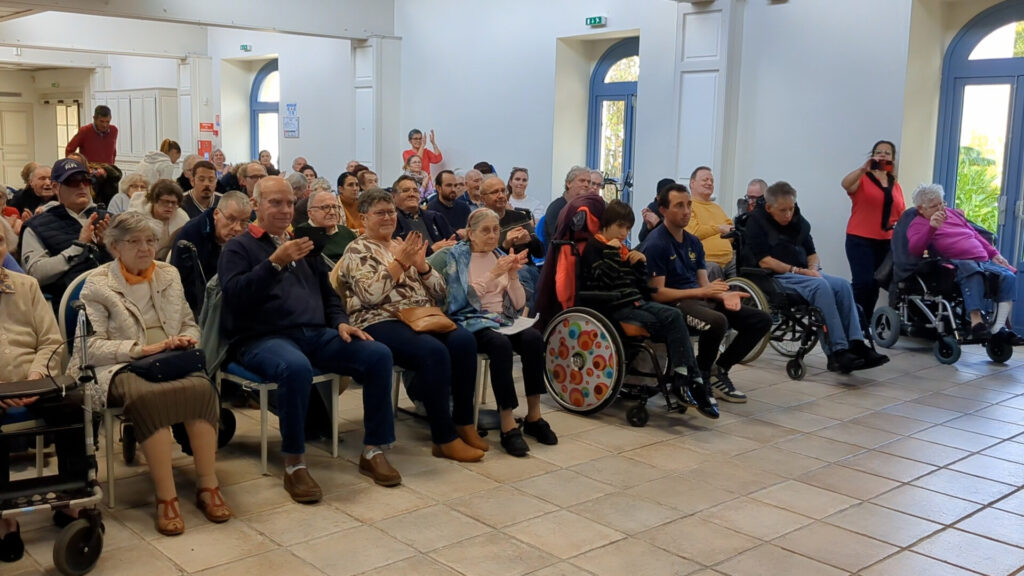
One of the documentary’s greatest achievements is its sensitive portrayal of ageing. Modern society frequently associates old age with decline and irrelevance, yet the film quietly dismantles these assumptions. Its elderly participants are neither idealised nor pitied. Instead, they are presented as individuals whose greatest strength lies in their remarkable capacity to endure. They embody the understanding that life cannot be divided into moments of happiness and sorrow because both coexist within every meaningful existence. Their wisdom arises not from perfection but from persistence.
Equally compelling is the film’s exploration of loneliness and community. Ageing often brings isolation through bereavement, retirement, or physical limitation. Within the dance class, however, solitude gradually gives way to companionship. Shared rehearsals create trust, while shared memories forge emotional solidarity. Individual grief ceases to remain a private burden and instead becomes a collective experience sustained by compassion. The film suggests that community is not built upon the absence of pain but upon the willingness to bear one another’s pain with dignity and kindness.
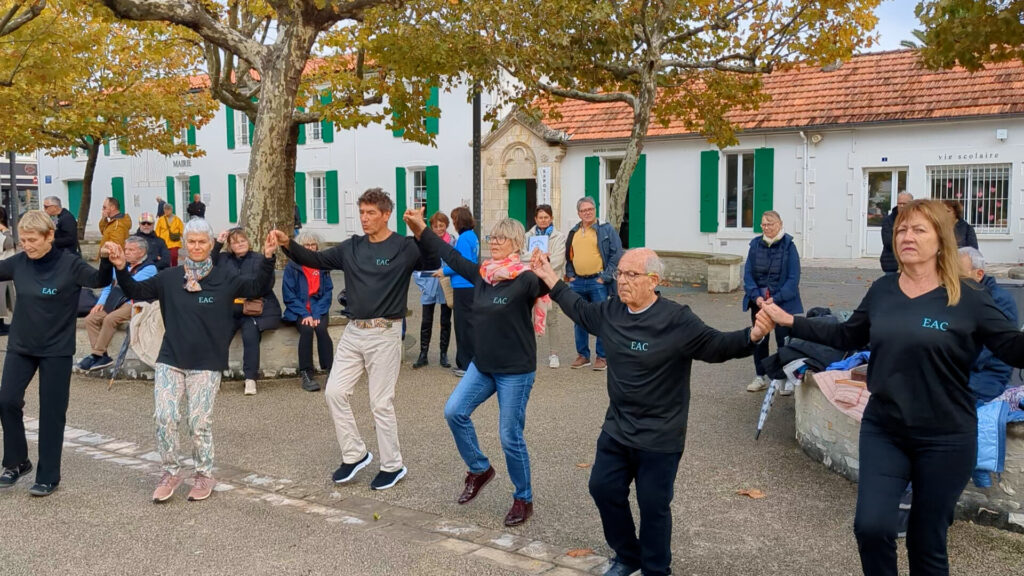
The journey to France carries symbolic significance beyond physical travel. It becomes a bridge between generations and cultures, reminding viewers that gratitude towards those who came before us enriches our understanding of ourselves. The performance for the teacher’s elderly mother becomes an expression of reverence for experience itself. The documentary gently asks what younger generations might learn from lives marked by perseverance rather than achievement alone. Its answer lies in the quiet courage to embrace existence in all its complexity.
Visually, the documentary favours intimacy over spectacle. Lingering shots of ageing faces, clasped hands, measured footsteps, and silent embraces reveal the dignity concealed within ordinary moments. These images affirm that beauty does not diminish with age but acquires greater emotional depth through experience.
Ultimately, Dance Generations is not merely a documentary about dance. It is a profound reflection on memory as liberation, movement as resistance to loneliness, and community as the healing of shared grief. Dawn Gifford Engle creates a work of rare tenderness that reminds us that while time transforms the body, it need never diminish the human spirit. The film celebrates the extraordinary resilience that allows people to continue dancing through love, loss, remembrance, and hope, affirming that life’s deepest wisdom often belongs to those who have travelled its longest path.